Infrared (IR) technology has traditionally been deployed under human supervision. However, the integration of this technology, capable of generating vast amounts of data, with artificial intelligence systems has led to the emergence of so-called intelligent cameras, whose full application potential remains largely untapped.
In this context, initiatives such as the Infrared Imaging Forum held at Universidad Carlos III de Madrid, together with the participation of key stakeholders from the industrial and defense sectors, help identify both existing technological gaps and the most acute needs across these industries.
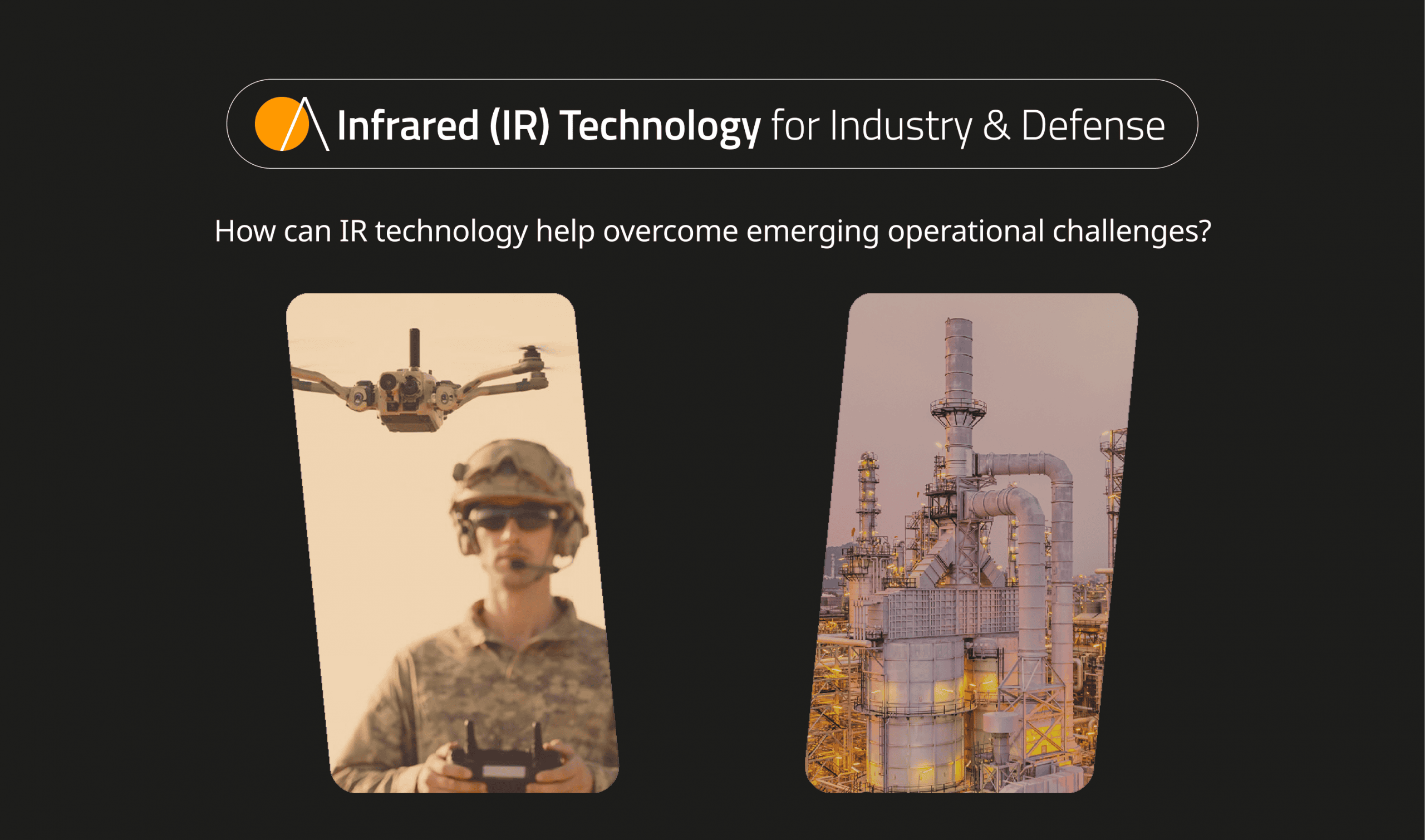
Within this context, the convergence of IR technology and artificial intelligence not only opens new opportunities for industrial optimisation and decarbonization but also assumes critical importance in the defense domain. The following sections examine the operational and technological constraints currently affecting the industrial and defense sectors and assess how the integration of IR technology and artificial intelligence can effectively help overcome them.
Industry
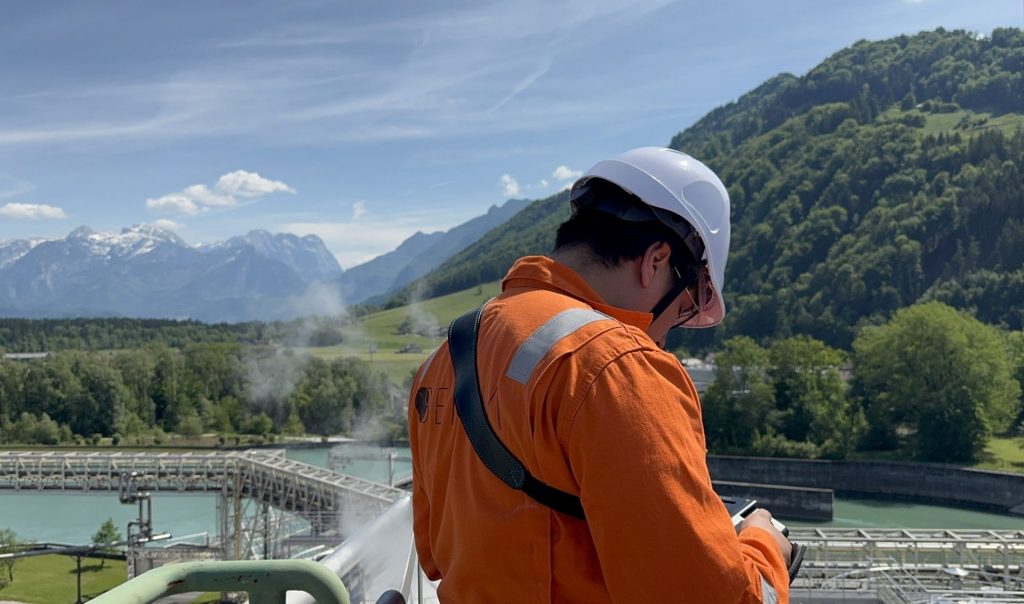
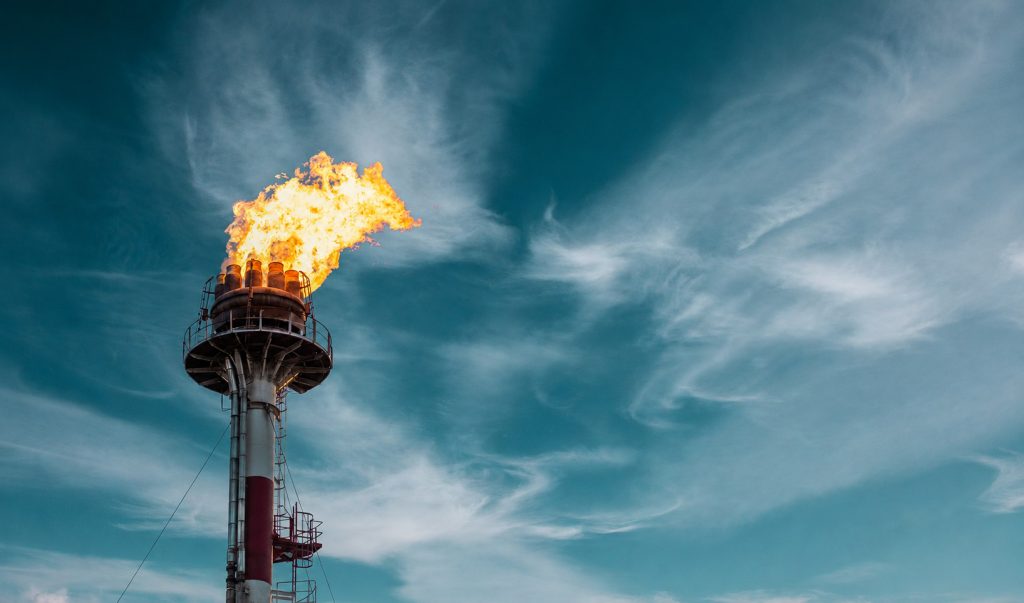
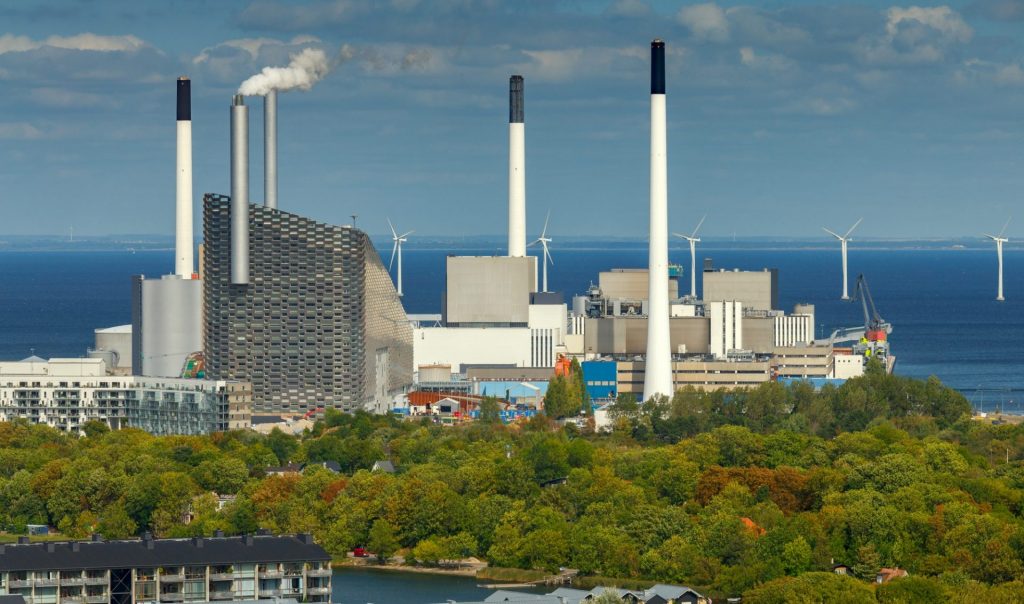
In the industrial field, there is a clear need to leverage IR technology to improve asset operations, support environmental compliance, and strengthen safety. Through enhanced asset performance, IR imaging helps enable preventive maintenance, mitigate potential component failures, and ensure data traceability and digitalisation. It also plays a key role in reducing emissions and working towards carbon neutrality, while contributing to safer workplaces with the ultimate goal of zero incidents and accidents.
Defense
In the defense domain, a key priority is strengthening protection and improving operational accuracy, particularly in complex and rapidly evolving environments.
Another major challenge lies in advancing towards passive, long-range capabilities, particularly in response to emerging threats such as loitering munitions, as well as integrating high-speed cameras capable of tracking hypersonic missiles. It is equally essential that systems integrate advanced early detection, recognition, and identification capabilities, ensuring accurate discrimination of objects and potential hazards.
IR technology is also becoming a key enabler for systems designed for night operations, allowing personnel to receive precise information and act on reliable data, thereby optimising and rationalising decision-making in critical operational environments.
Finally, defense systems must be capable of supporting effective threat neutralisation.
Global Scope of IR Technology
In today’s market, where boundaries between vertical sectors are increasingly blurred and technological solutions are deployed across domains, IR technology demonstrates clear multisector potential. Advances in deep technologies will contribute to the achievement of objectives that now seem unattainable, such as reaching net-zero emissions or reducing road fatalities to zero. Its impact lies in its ubiquity: it will be embedded across multiple environments and applications, from autonomous vehicles and smart buildings to satellite monitoring systems, acting as a key enabler of efficiency, security, and sustainability.
Positioned as a market leader in infrared technology, SENSIA is fully committed to driving innovation and delivering solutions across critical sectors, including industry and defense & security. By leveraging its broad portfolio of proprietary technologies and products, SENSIA supports these sectors in addressing complex challenges and contributes to the achievement of their strategic ambitions across a wide range of applications.